

Introduction
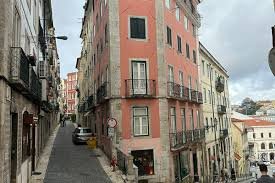
Cascading down a series of steep hills to the banks of the Tagus River, Lisbon is a city bathed in unique, golden light. As one of the oldest cities in Western Europe—predating Rome by centuries—Lisbon has weathered empires, an era of unprecedented maritime exploration, and a devastating earthquake in 1755. Today, it is a vibrant, sun-drenched capital that effortlessly balances its melancholic, historic soul with a dynamic, modern energy. The streets are a mosaic of polished cobblestones (calçada portuguesa), pastel-colored buildings, and walls adorned with intricate ceramic tiles known as azulejos.
A Tale of Distinct Neighborhoods
Lisbon’s geography forces you to explore it vertically. The city is famously built on seven hills, naturally dividing it into distinct neighborhoods, or bairros. Alfama is the oldest district, having largely survived the 1755 earthquake. It is a labyrinth of narrow, winding alleys, steep staircases, and hidden plazas, topped by the imposing Moorish ruins of the São Jorge Castle.
In stark contrast is the Baixa district, the downtown area located in the valley between the hills. Following the earthquake, Baixa was completely rebuilt using an early form of earthquake-resistant grid architecture. Above Baixa sits Bairro Alto, a quiet, sleepy residential neighborhood by day that transforms into the epicenter of Lisbon’s nightlife after the sun sets, with people spilling out of tiny bars into the narrow streets.
The Age of Discovery
To grasp Lisbon’s historical wealth, one must head west along the river to the district of Belém. This is the staging ground of the Portuguese Age of Discovery, from where explorers like Vasco da Gama set sail to map the globe. The monumental Jerónimos Monastery, a triumph of Manueline architecture (a uniquely Portuguese late-Gothic style featuring maritime motifs), stands as a testament to the wealth brought back from the spice trade. Nearby, the heavily fortified Belém Tower juts out into the water, originally serving as both a defense fortress and a ceremonial gateway to Lisbon.
Fado Music and the Custard Tart
The soul of Lisbon is expressed audibly through Fado, a genre of traditional folk music characterized by mournful melodies and lyrics concerning the sea, lost love, and saudade—a profound feeling of nostalgic longing. Live Fado performances in the intimate taverns of Alfama or the Mouraria district are essential cultural experiences.
On the culinary front, Lisbon revolves around the sea. Bacalhau (salted cod) is the national obsession, famously said to have 365 different recipes—one for every day of the year. However, the most famous culinary export is sweet: the Pastel de Nata. Originating from the monks in Belém, these crisp, flaky pastry tarts filled with rich, blistered egg custard and dusted with cinnamon are a daily ritual for locals and tourists alike.