
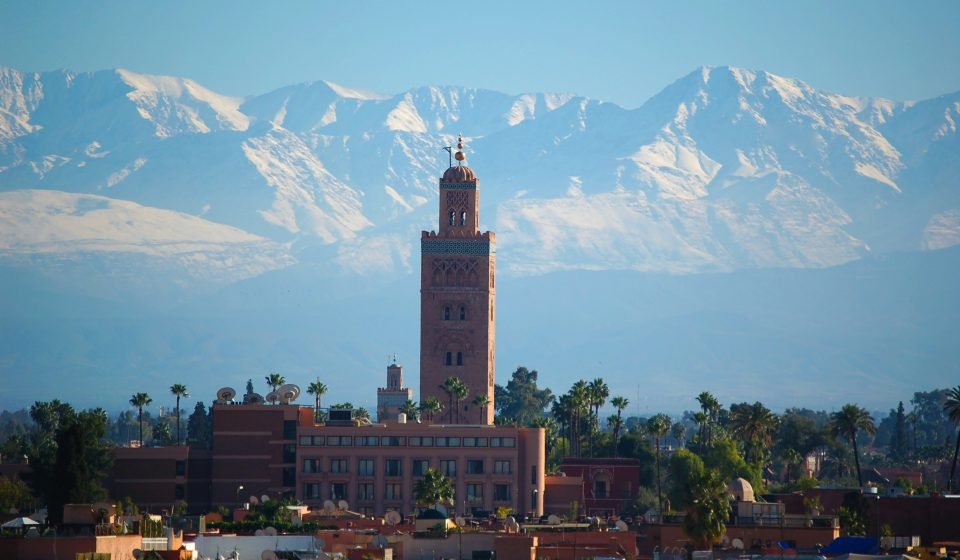

Marrakech is one of Africa’s most captivating destinations, where centuries-old traditions blend seamlessly with modern comforts. Known as the “Red City” because of its distinctive terracotta-colored walls and buildings, Marrakech offers travelers an unforgettable journey through history, culture, cuisine, and vibrant street life. Located at the foothills of the Atlas Mountains, this Moroccan city has attracted explorers, artists, and adventurers for generations.
The heart of Marrakech is Jemaa el-Fnaa, the city’s famous central square and one of the liveliest public spaces in the world. Throughout the day, the square buzzes with snake charmers, musicians, storytellers, street performers, fresh juice vendors, and traditional market stalls. As evening falls, the atmosphere transforms into a bustling open-air food market where visitors can sample authentic Moroccan dishes while enjoying live entertainment.
Surrounding the main square is the ancient Medina, a UNESCO World Heritage Site filled with narrow alleyways, colorful souks, historic mosques, and hidden courtyards. Walking through the Medina is an adventure in itself. Visitors can browse handcrafted carpets, leather goods, ceramics, spices, lanterns, jewelry, and traditional clothing while interacting with local artisans who continue centuries-old crafts. Bargaining is expected and adds to the excitement of shopping.
One of Marrakech’s architectural masterpieces is Bahia Palace, built in the 19th century. Its beautifully decorated rooms, tranquil courtyards, intricate tilework, carved cedar wood ceilings, and lush gardens showcase traditional Moroccan craftsmanship. Another must-visit attraction is the Koutoubia Mosque, whose elegant minaret dominates the city skyline and serves as one of Morocco’s most recognizable landmarks.
For travelers seeking peace away from the bustling streets, the Majorelle Garden offers a tranquil retreat. Created by French artist Jacques Majorelle and later restored by fashion designer Yves Saint Laurent, the garden features exotic plants, vibrant blue architecture, fountains, and peaceful walking paths. The adjacent museum highlights Morocco’s rich Berber heritage and artistic traditions.
Marrakech is also an excellent base for exploring Morocco’s diverse landscapes. Day trips to the Atlas Mountains introduce visitors to picturesque Berber villages, scenic valleys, waterfalls, and traditional mountain lifestyles. Adventurous travelers can enjoy hiking, camel rides, or even overnight stays in desert camps on the edge of the Sahara Desert, where golden dunes stretch as far as the eye can see.
Moroccan cuisine is one of the highlights of visiting Marrakech. Rich flavors, aromatic spices, and slow-cooked recipes define local dishes. Tagine, couscous, harira soup, grilled meats, and freshly baked bread are staples of Moroccan dining. Sweet mint tea, often called Morocco’s national drink, symbolizes hospitality and is traditionally served to guests throughout the day. Cooking classes allow visitors to learn how to prepare authentic Moroccan dishes using fresh ingredients purchased from local markets.
Accommodation in Marrakech is an experience in itself. Many visitors choose to stay in traditional riads—beautifully restored houses centered around peaceful courtyards with fountains and gardens. These boutique accommodations combine authentic Moroccan architecture with modern comforts, offering a unique alternative to conventional hotels.
The city’s rich artistic heritage can be explored through museums, galleries, and cultural centers. Visitors interested in history can tour the Saadian Tombs, Ben Youssef Madrasa, and El Badi Palace, each offering fascinating insights into Morocco’s imperial past. Local artisans continue to preserve traditional techniques in pottery, weaving, metalwork, and leather production, making Marrakech a paradise for shoppers seeking handcrafted souvenirs.
The best time to visit Marrakech is during spring (March to May) and autumn (September to November), when temperatures are comfortable for sightseeing. Summers can be extremely hot, while winter evenings may become surprisingly cool, especially near the mountains.
Hospitality remains one of Marrakech’s greatest strengths. Locals are known for warmly welcoming visitors and proudly sharing their traditions, cuisine, and culture. Respectful dress, polite bargaining, and learning a few basic Arabic or French phrases can greatly enhance the travel experience.
Marrakech is far more than a city—it is an unforgettable sensory journey filled with colorful markets, magnificent architecture, delicious cuisine, and timeless traditions. Whether exploring ancient palaces, sipping mint tea in a peaceful courtyard, wandering through lively souks, or watching the sunset over the Atlas Mountains, every moment in Marrakech captures the magic and mystery that make Morocco one of Africa’s most fascinating destinations.
Discover Cape Town – South Africa’s Spectacular Coastal Gem
Cape Town is one of Africa’s most breathtaking travel destinations, renowned for its dramatic landscapes, rich cultural heritage, diverse wildlife, and vibrant city life. Nestled between the iconic Table Mountain and the sparkling Atlantic Ocean, this South African city offers a perfect combination of natural beauty, adventure, history, and world-class hospitality. Whether you are an outdoor enthusiast, history lover, foodie, or beachgoer, Cape Town promises an unforgettable experience.
The city’s most recognizable landmark is Table Mountain, a UNESCO World Heritage Site and one of the New Seven Wonders of Nature. Visitors can hike one of the many scenic trails leading to the summit or take the rotating cable car for panoramic views of Cape Town, the Atlantic coastline, Robben Island, and the surrounding mountain ranges. At the top, walking paths allow visitors to explore unique plant species found only in the Cape Floral Kingdom, one of the richest floral regions on Earth.
Cape Town’s coastline is equally impressive. Camps Bay and Clifton Beaches are famous for their soft white sand, turquoise waters, and stunning sunsets. Although the Atlantic Ocean remains cool throughout the year, the beaches attract thousands of visitors who come to relax, swim, or simply enjoy the spectacular scenery. For surfers, nearby Muizenberg Beach offers excellent waves and colorful Victorian-style beach huts that have become one of Cape Town’s iconic images.
History plays an important role in Cape Town’s identity. A visit to Robben Island provides insight into South Africa’s struggle against apartheid. The island served as a prison where Nelson Mandela spent 18 of his 27 years of imprisonment. Guided tours, often led by former political prisoners, offer moving stories about resilience, freedom, and reconciliation. Back on the mainland, the District Six Museum preserves the memory of a once-vibrant multicultural neighborhood destroyed during apartheid.
Nature lovers will find endless opportunities to explore. Cape Point, located within Table Mountain National Park, offers dramatic cliffs overlooking the meeting point of the Atlantic and Indian Oceans. Although the exact ocean meeting point is symbolic rather than geographical, the breathtaking scenery makes the journey worthwhile. Along the way, visitors can stop at Boulders Beach to observe one of Africa’s few mainland colonies of endangered African penguins. Watching these charming birds waddle along the beach is a highlight for families and wildlife enthusiasts alike.
Cape Town is also famous for its world-class wine regions. Just a short drive from the city lies Stellenbosch, Franschhoek, and Paarl, where rolling vineyards produce some of the finest wines in the Southern Hemisphere. Wine estates offer guided tastings, cellar tours, gourmet restaurants, and beautiful mountain views. Many vineyards also feature art galleries, gardens, and picnic areas, creating a relaxing day-trip experience.
Food lovers will appreciate Cape Town’s multicultural culinary scene. Influences from African, Dutch, Malay, Indian, and British cultures have shaped a unique food culture. Visitors can sample traditional dishes such as bobotie, braai (South African barbecue), bunny chow, and fresh seafood including lobster, oysters, and line-caught fish. The V&A Waterfront offers numerous restaurants, cafés, and local markets where visitors can enjoy both local and international cuisine while overlooking the harbor.
Adventure seekers can enjoy activities ranging from shark cage diving and paragliding to hiking, kayaking, and whale watching. Between June and November, southern right whales migrate along the Cape coastline, providing excellent opportunities for marine wildlife viewing. Hiking enthusiasts can also explore Lion’s Head, Signal Hill, and the scenic trails surrounding Kirstenbosch National Botanical Garden.
Cape Town’s vibrant neighborhoods each have their own personality. Bo-Kaap is famous for its brightly painted houses, cobblestone streets, and Cape Malay heritage. The area offers fascinating walking tours, cooking classes, and cultural experiences. Meanwhile, the V&A Waterfront combines shopping, entertainment, museums, and waterfront dining, making it one of the city’s most popular attractions.
The best time to visit Cape Town is between November and March, when warm temperatures and sunny skies create ideal conditions for outdoor activities. However, the city remains attractive throughout the year thanks to its mild climate and seasonal attractions.
Cape Town is a destination that effortlessly combines natural wonders, cultural richness, adventure, and relaxation. From mountain peaks and pristine beaches to historic landmarks and world-class vineyards, every corner of the city offers something extraordinary. Whether you spend a few days or several weeks exploring its many attractions, Cape Town leaves visitors with unforgettable memories and a desire to return.